Drive to Tsavo West National Park arriving in time for lunch, at just over 8,000 square miles; Tsavo is the largest national park in Kenya and one of the largest in the world. Because of its size the park was split into two, Tsavo West and Tsavo East, for easy administration. Located midway between Nairobi and the coast, the area boasts volcanic hills, four rivers, more than 60 major mammal species and 1,000 plant species. The northern part of Tsavo West is the most developed and has spectacular scenery with a rolling volcanic landscape carpeted in long grass and dense bush.
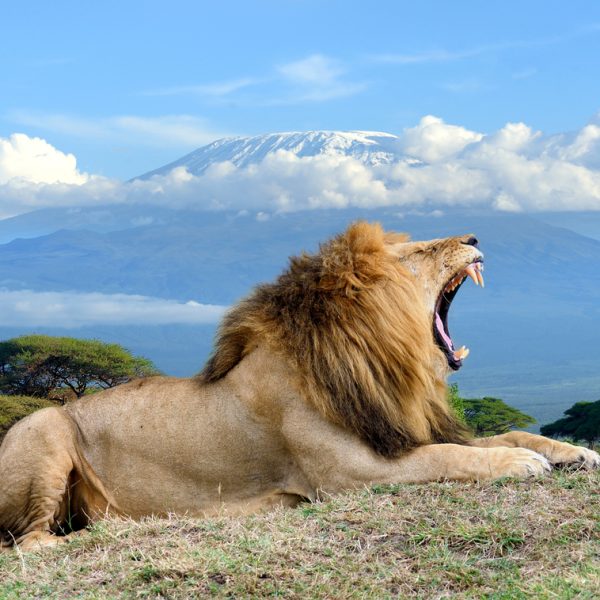
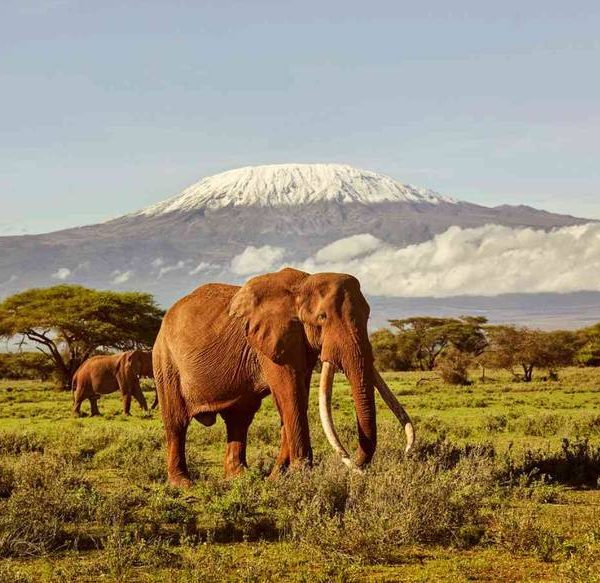
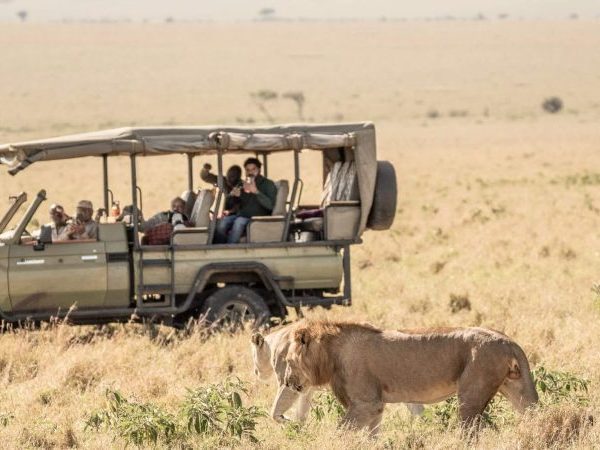
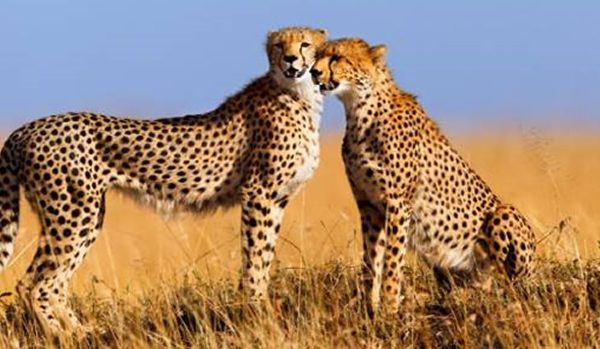
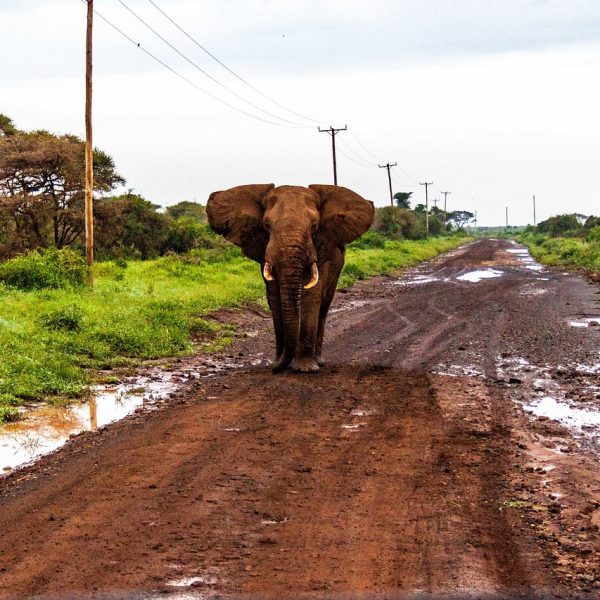
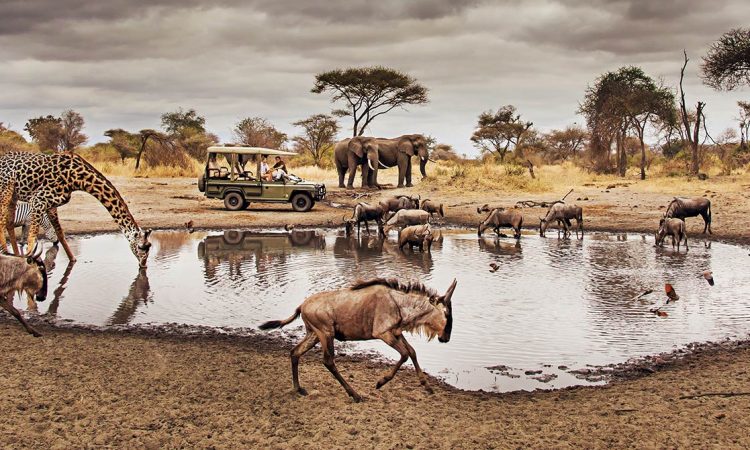
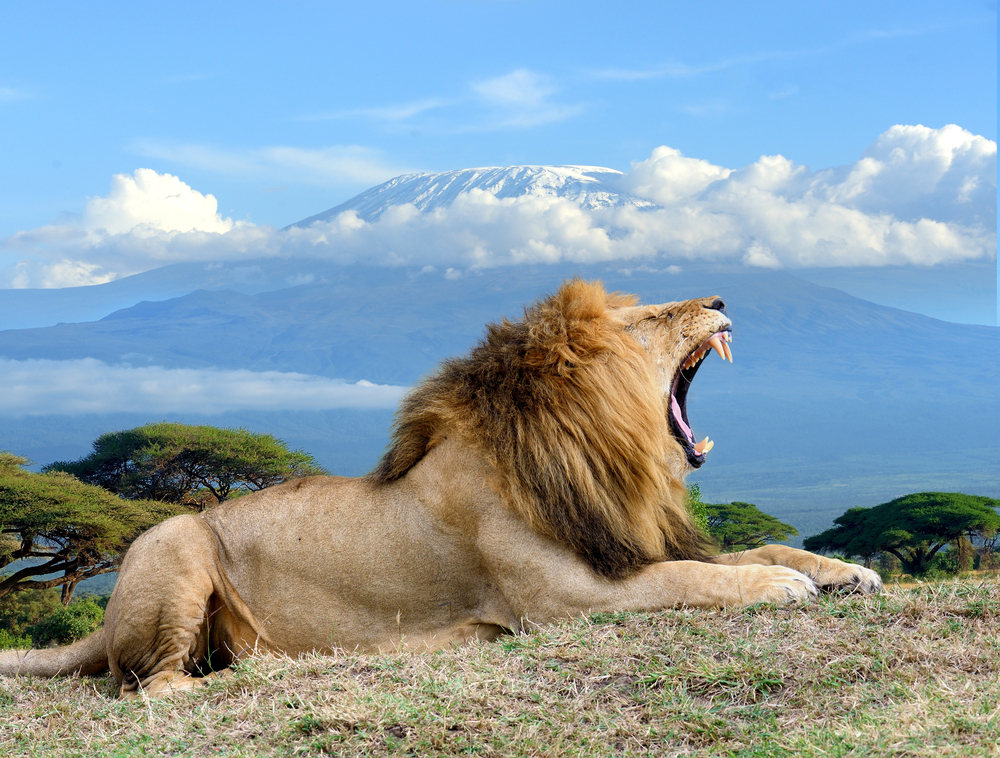
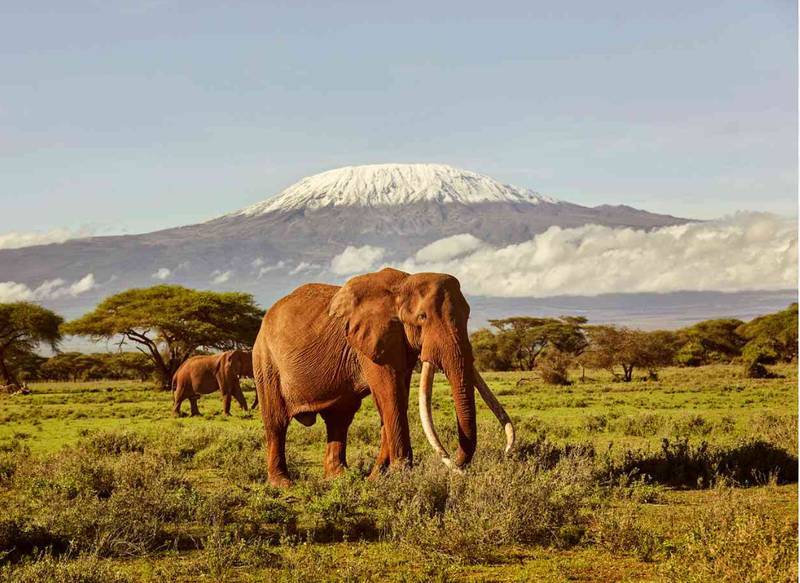
Although the tall vegetation makes game spotting trickier than in some of the other parks, Tsavo West’s bio-diversity is amazing. The landscape is a mixture of grassland and forest shrub vegetation. Thus driving and exploring the vegetation almost assures you close encounters with the following animals: lions, leopard, cheetah, zebras, giraffes, antelopes, kongoni, waterbuck, klipspringer, impala, gazelles, buffalos, and elephants. Apart from Tsavo’s elephant population there are many lion –some undoubtedly the descendants of the infamous and feared “Man-eaters of Tsavo” popularized in the film Ghost in the Darkness. In addition to lion the resident carnivores in Tsavo include serval, hyena, leopard, cheetah, and caracal. The landscape is dominated, especially off the hills, by the giant baobab, a tree which is reputed to live 1,000 years.
Tsavo West is famous for the Mzima Springs. This star attraction is a pool of natural spring water with underwater viewing hides for observing hippos where a gushing supply of fresh, crystal clear water has created an oasis for wildlife. A specially constructed underwater observatory provides visitors with a unique view into the underwater world of Mzima. The water catchment is divided into two pools; here you can view hippos and crocodiles. The upper pool is occupied by the hippos and lower pool by the crocodiles. In your stay you will also visit the rhino sanctuary in Ngulia where most of Tsavo’s surviving rhino, plus a number of re-located animals, have been moved and where a meter-high electric fence surrounds an area of 70 sq km now designated an official sanctuary for approximately 40 rhinos. The Sanctuary also offers shelter to a broad range of other threatened wildlife to include cheetahs and leopards and the rare frog (Afrixalus pygmaeus septentrionalis).
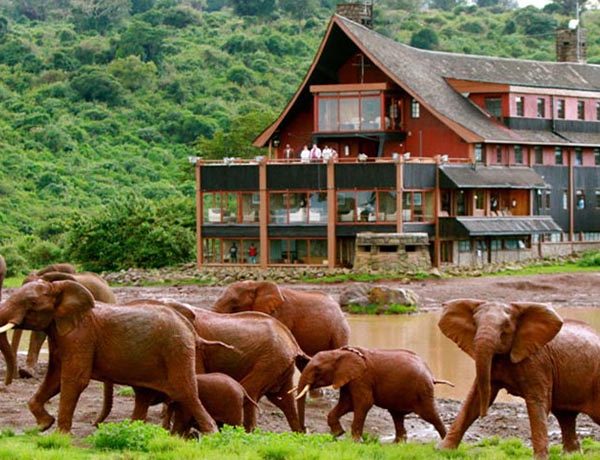
Overnight: Ngulia Safari Lodge
Meal Plan: Full Board